Pest Management in the Dundurn Kitchen Garden

If you were to visit the kitchen garden at Dundurn Castle in the mid-19th century, the garden would be quite different from today. Gardening practices for pest control and management were different than what we use in 2026 and could even be harmful to animals or humans. Many gardening practices used now have been modified or changed to support a greater biodiversity in the Garden as a teaching space for visitors. Dundurn Castle’s Kitchen Garden is home to great biodiversity of plants and creatures. It has over 200 varieties of fruits, vegetables, herbs, and flowers, many of which are heirloom varieties dating back to around the 1850s. While the gardeners use many historic tools and practices, we have adopted some modern technics to ensure biodiversity and gardener safety.
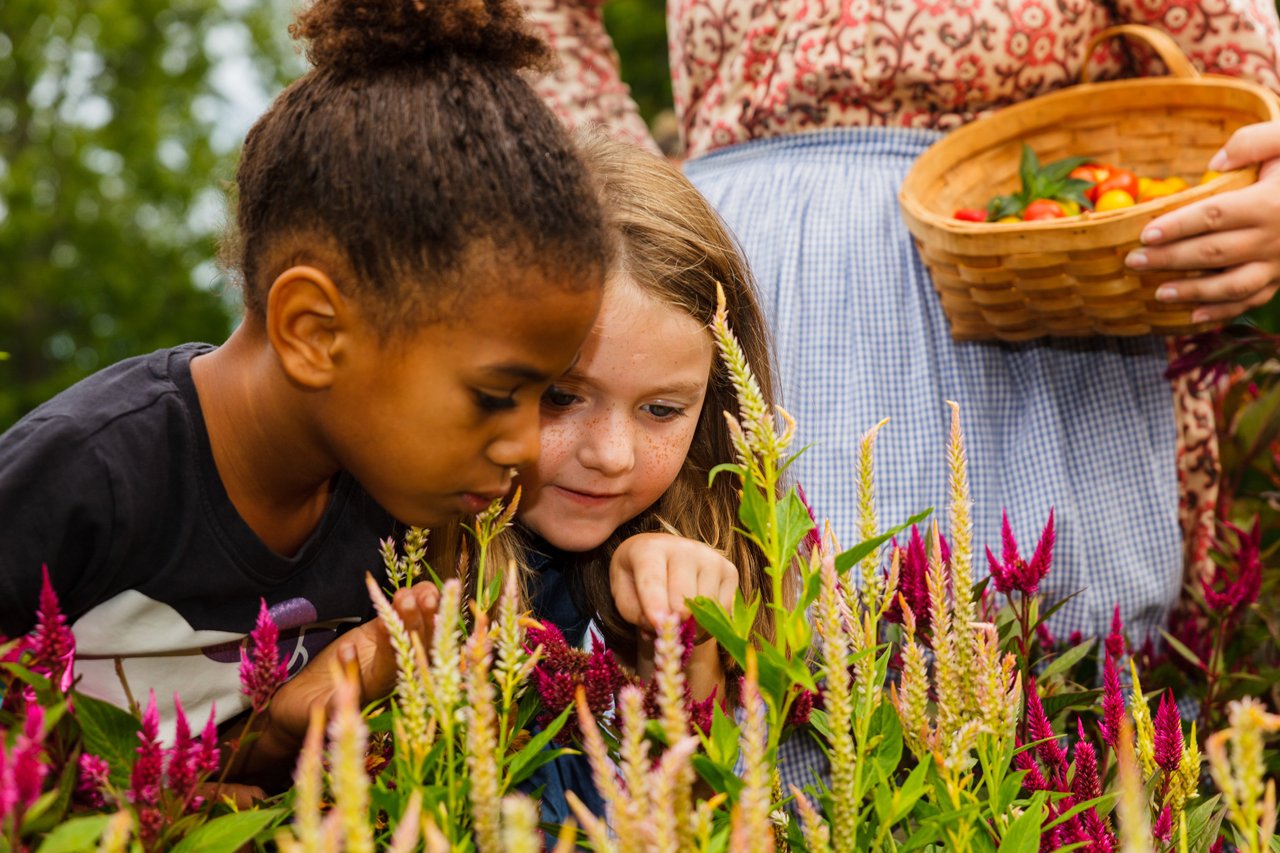
Younger visitors to the garden taking a closer look at the smallest residents of the garden. City of Hamilton.
Looking to the past, Victorian gardeners had quite high standards for kitchen gardens. Gardeners had to ensure that the gardens were weed-free, meticulously shaped, and able to produce enough produce to feed the estate’s family, guests, and the servants living on the property all year round. This meant that the head gardener would have to plan well and plant a variety of crops, including produce that could store well to feed the household in the winter months. Providing this much food to feed everyone was a big task and gardeners could not afford to lose crops to pests like wildlife or insects. This resulted in some unusual pest management methods, including using firearms to shoot down squirrels, rabbits and other pests that trespassed in the garden. Since times have changed, as well as laws, we no longer use all of the pest management practices from the Victorian period.
Today in the Kitchen Garden, we do not use any pesticides or herbicides. By not using modern pesticides, we are able to support many beneficial insects like bees, wasps, butterflies, lady bugs, praying mantises, and lacewings. These insects act as pollinators or natural predators that hunt insects that we do not want in the garden.

The Historic Kitchen Garden grows over 200 heritage varieties of fruits, vegetables, herbs, and flowers. City of Hamilton.
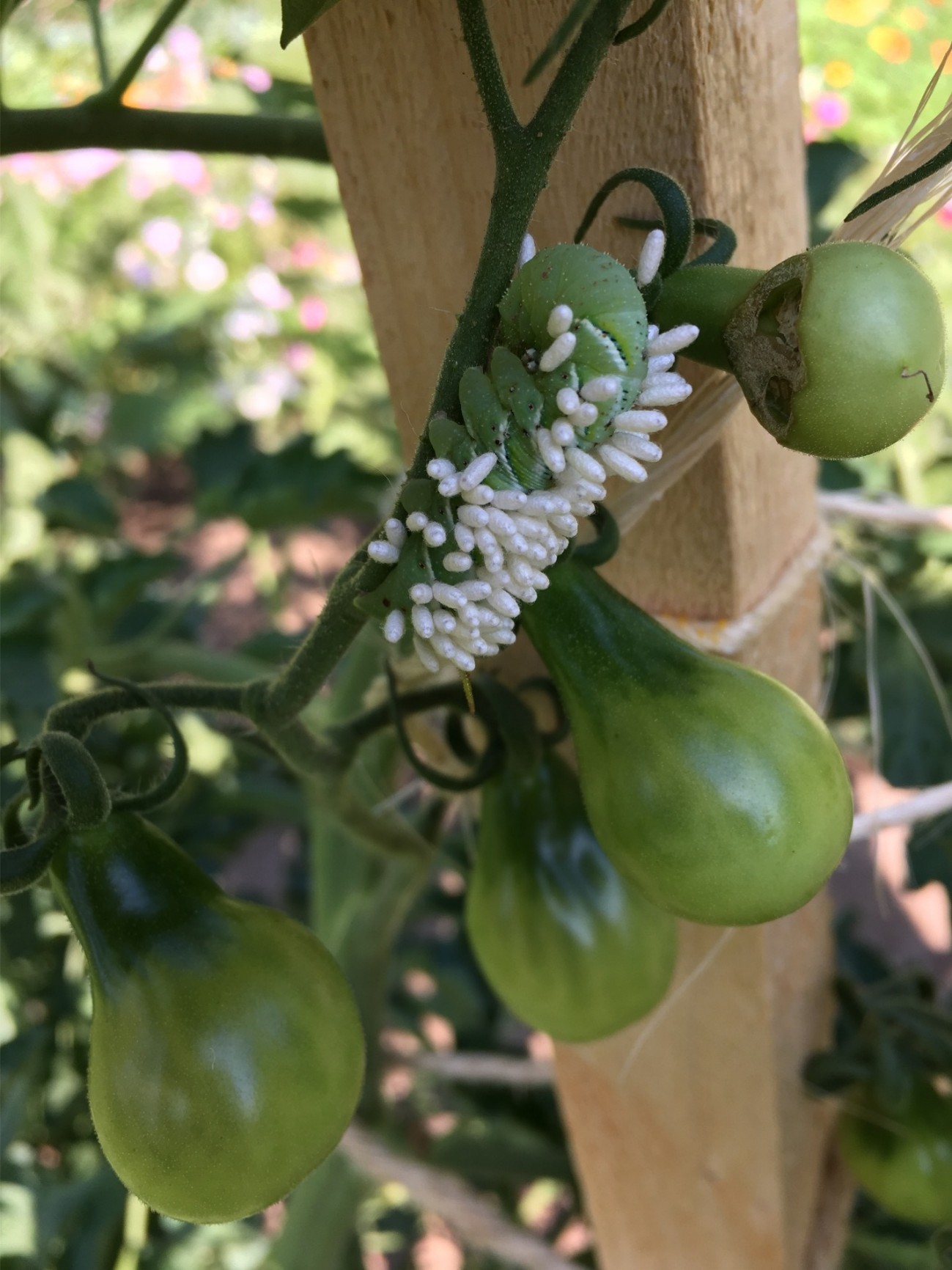
Hornworm caterpillar on a tomato plant with braconid wasp cocoons on its back. City of Hamilton.
Like most gardeners, we do still deal with our share of pests like aphids, beetles, and caterpillars. Instead of spraying them with chemicals, we hand pick them off and relocate them or put them into a cup of soapy water. This step can take a bit of time, but by not spraying our plants with pesticides, we are able to host many beneficial insects in the garden. These insects act as pollinators which play a crucial role in the development of produce, or as natural predators that hunt insects that we do not want in the garden. For example, ladybugs and lacewings like to eat the aphids that settle on our cabbages, kale, and other brassicas.
We have also seen wasps in the garden that hunt down grasshoppers to feed their young like the great golden digger wasp. Each summer, we also find tomato hornworm caterpillars covered with the cocoons of parasitic braconid wasps. This wasp lays its eggs in the caterpillar, which eventually kills the host animal as the wasps develop. Insects like these take care of reducing unwanted insects for us without the need for pesticides, and when there are too many pests for the natural predators, we resort to removing them by hand.
Another Victorian technique that we still use today is to spread out plants of the same family across the whole garden. Rather than having all the tomato plants, or another crop, in one spot, they are spread out in several garden beds across the garden. This method involves a bit more planning at the beginning of the growing season, but it works wonderfully at decreasing the risk of complete crop devastation since insects must cross bigger distances in the garden to get to the other crops of the same kind.
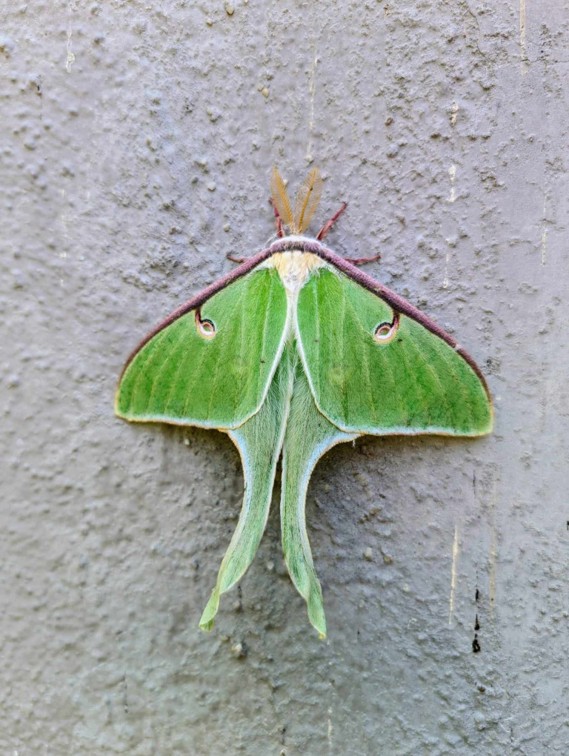
Luna moth on the Castle wall. City of Hamilton.
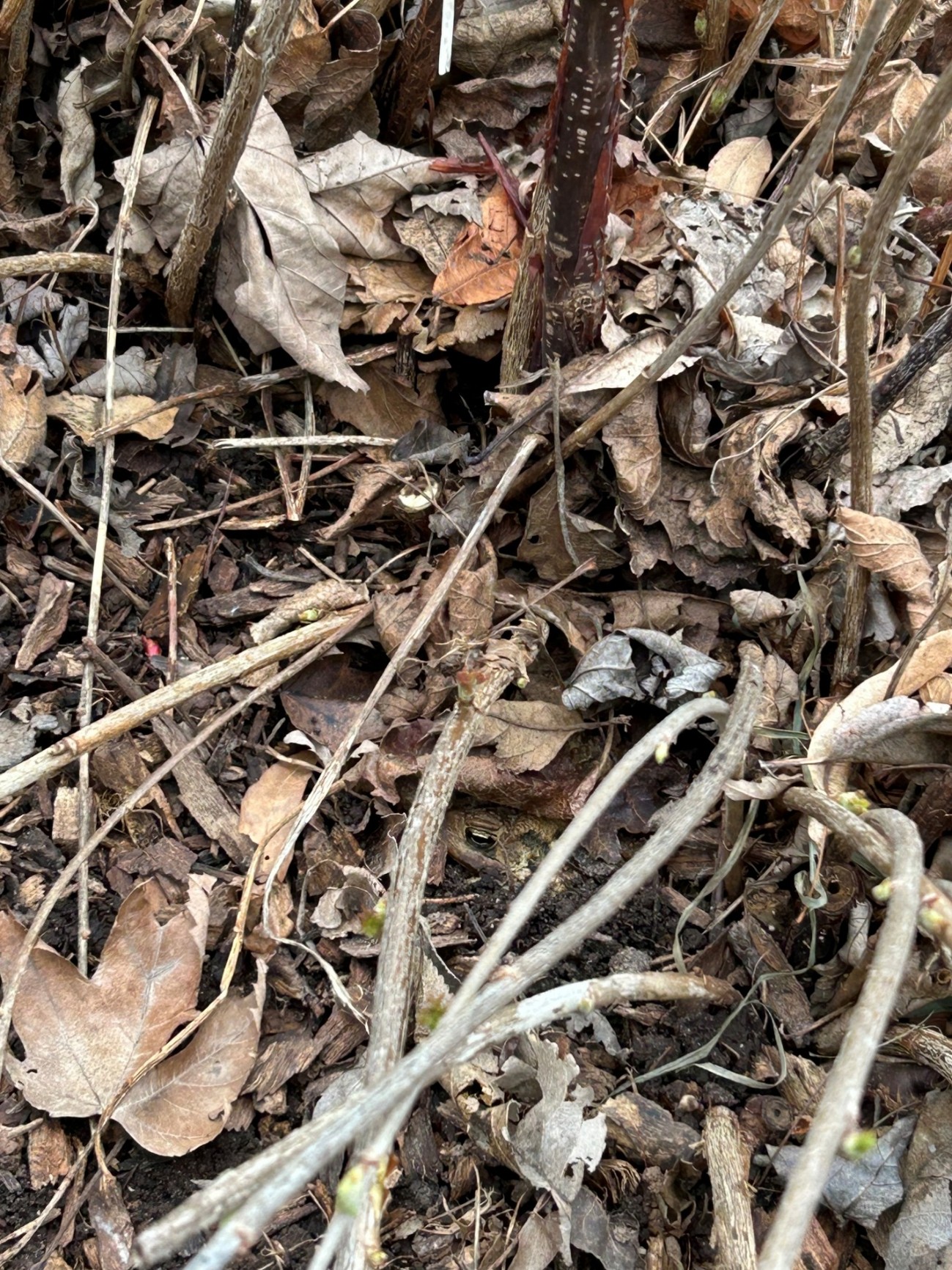
Spot the hibernating toad! Toad under a red currant bush. City of Hamilton.
While we do still have many imported plants including agave, luffas, alocasia, hens and chicks, dahlias and portulaca to stay true to how Victorian gardens were designed, we also include more native plants in the garden. Plants like liatris, swamp milkweed, butterfly weed, and anise hyssop have been added to our garden to support native insects like the monarch butterfly and the swallowtail butterfly. These native plants provide nectar for butterflies and a place for them to lay their eggs.
The milkweed plant is the only host plant for monarch butterflies, and by having a long row of swamp milkweed in the garden, we get lots of monarch caterpillars living on the milkweed and lots of butterflies visiting the garden.
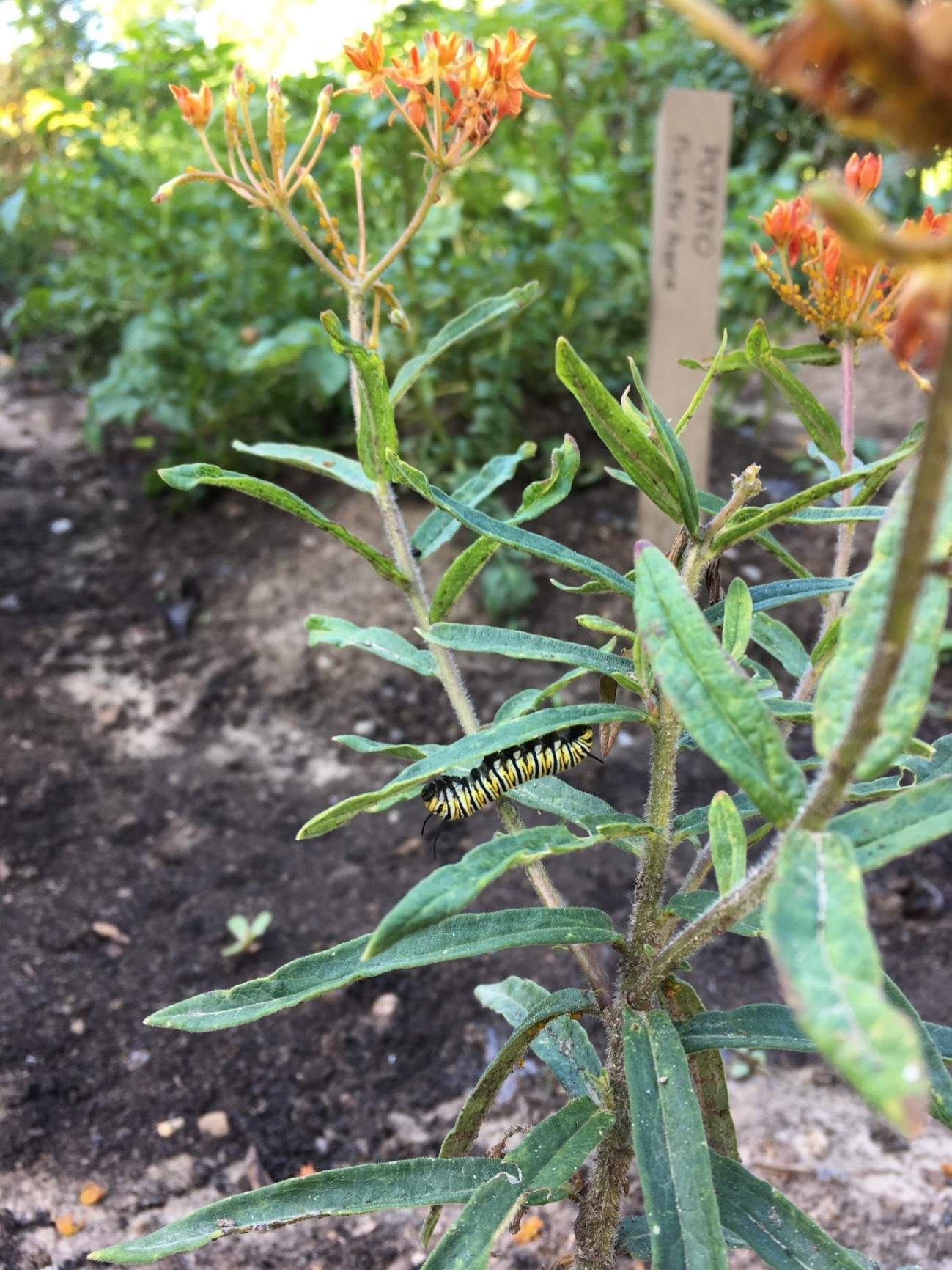
Monarch caterpillar on butterfly milkweed. City of Hamilton.
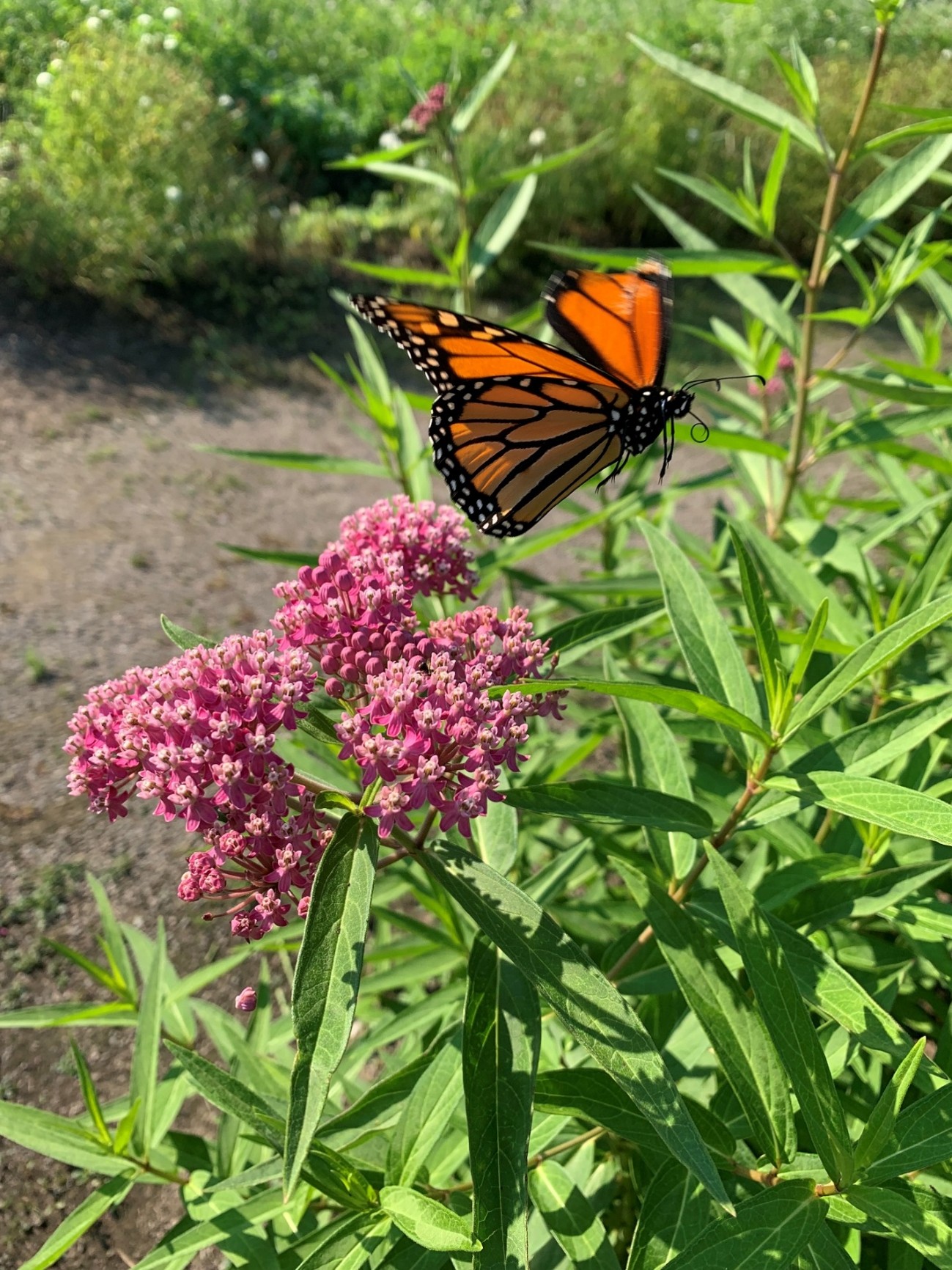
Monarch butterfly flying beside the swamp milkweed border. City of Hamilton.
Today, we can no longer do many of the pest management practices that Victorian gardeners used to do; we can no longer shoot down critters or use toxic chemicals like arsenic on plants to kills insects. Our goals for the Kitchen Garden have changed. We no longer have to provide enough food to feed the Macnab family, and its guests and servants, all year round. Instead, the Garden’s goal has shifted to being a space for education and community building. Now the gardeners’ focus is maintaining the beautiful garden for educating visitors, leading garden workshops and tours, and running children’s activities in the summer months.
If you are interested in learning more, come visit the Historic Kitchen Garden Tuesday-Sunday, 12 PM – 4 PM from the May long weekend to Thanksgiving, and keep an eye on the Hamilton Civic Museums events page for self-guided tours and immersive workshops.