Seeds, Soil, and Sun
From the team in the Historic Kitchen Garden at Dundurn National Historic Site.
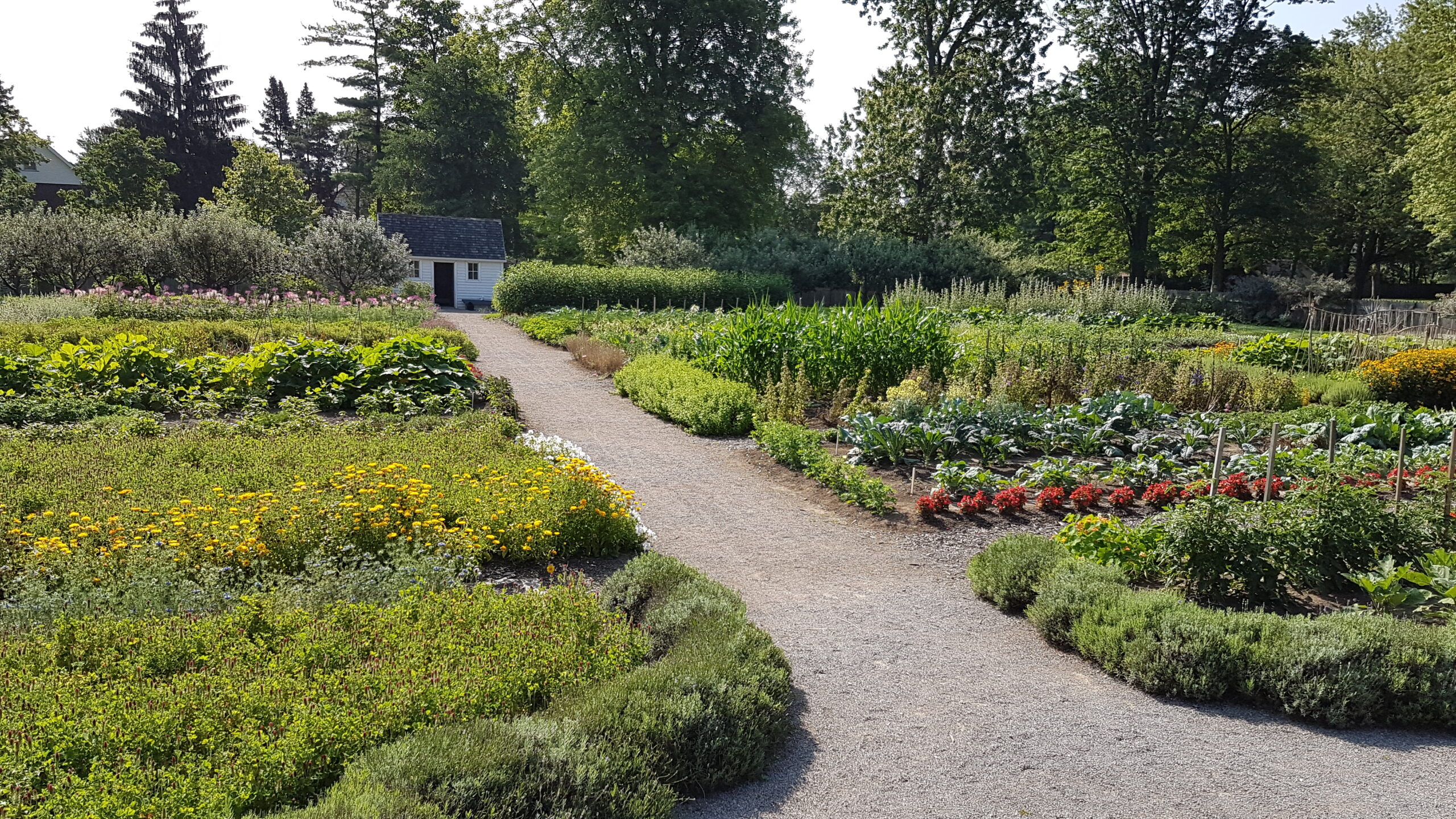
Dundurn's Historic Kitchen Garden may look glorious in full summer bloom, but the work to get here starts much earlier in the year. City of Hamilton.
In Dundurn Castle’s Historic Kitchen Garden, the arrival of spring comes with a lengthy to-do list, much as it would have in the mid-19th century. The gardeners have spent the winter meticulously planning for the upcoming growing season. By now, they have updated the garden map to reflect the annual crop rotation, ordered dozens of heirloom seed varieties, and started seeds both indoors and outdoors. Grow stands crowd the staff room, while the garden’s hot beds and cold frames house rows upon rows of tiny seedlings. In the weeks ahead, the gardeners must prepare 24 beds, each roughly 30 feet long, for seeding and transplanting. With the garden opening to the public on the May long weekend, getting plants in the ground is paramount. Although these circumstances may sound extraordinary, many home gardeners can relate to the feelings of overwhelm and excitement as the growing season begins. Whether your growing space is big or small, knowing when, why, and how to prepare your garden for planting will help to set you up for success.
Have a Clear Vision
At Dundurn, the main function of the Historic Kitchen Garden is to supply produce for site use, including events, outreach, cooking workshops, and educational programs. Any excess produce goes to community partners, like Neighbour 2 Neighbour Centre. The garden also welcomes thousands of history enthusiasts annually, who experience the garden as it would have been in the 1850s. Historically, it served as a kitchen and pleasure garden for the MacNab family who lived in Dundurn Castle.
Get to Know Your Growing Space
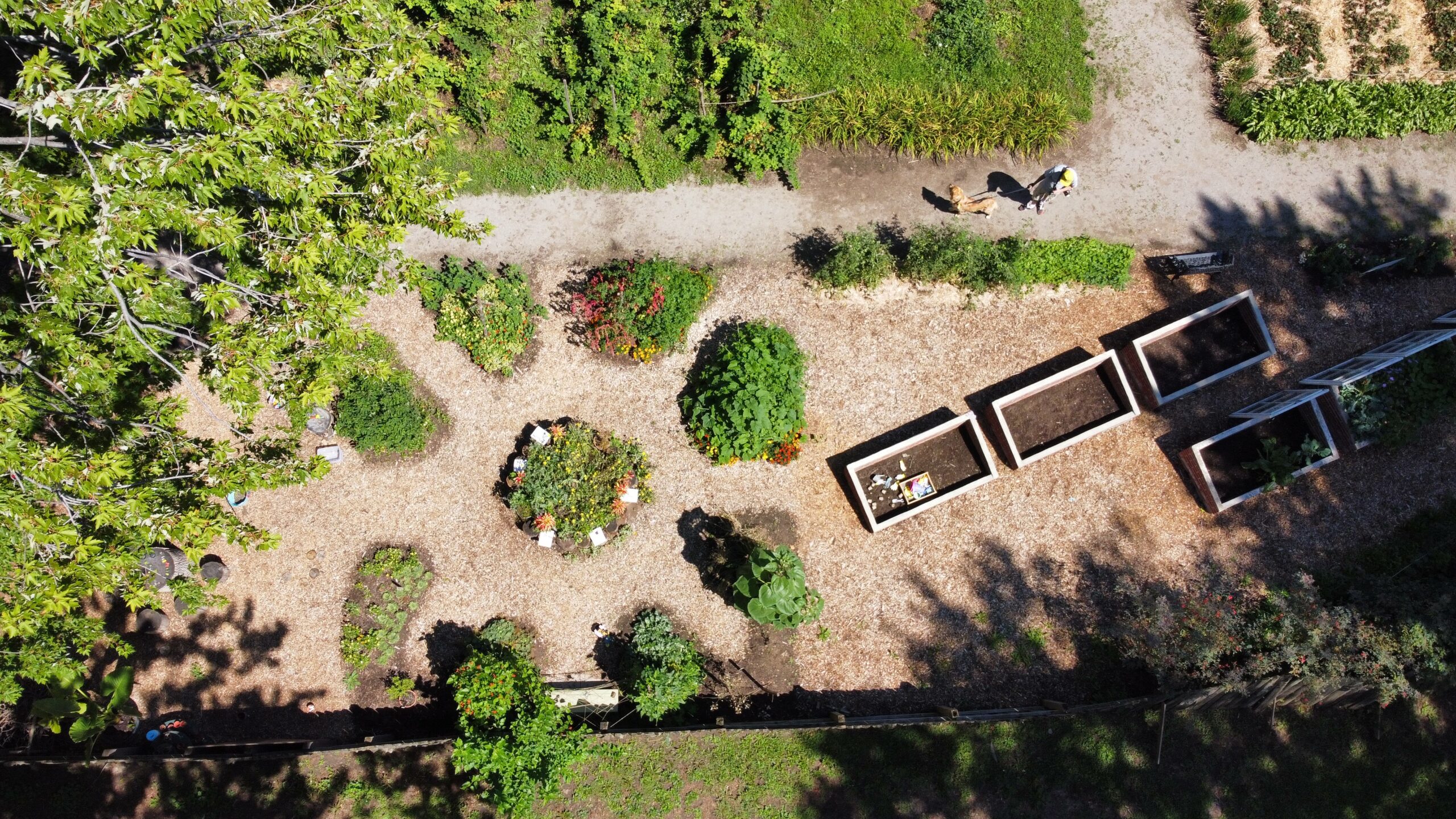
Many of Dundurn's plants are started in cold frames outside (pictured here on the right) or under grow lights inside. City of Hamilton.
Soil Texture
A simple jar test can help you determine your soil’s texture. Fill a mason jar approximately halfway with soil from your growing space. Add an equal amount of water to the jar, put the lid on, shake, and let sit for up to 24 hours. The soil particles will settle into three distinct layers: sand on the bottom, silt in the middle, and clay on top. If you want to be more precise, use a ruler to measure the total height of the soil before measuring each layer.
Using these measurements, calculate the percentage of sand, silt, and clay (loam is approximately 40-40-20%). Enter these values into an online soil texture calculator and record the results. This year, the Historic Kitchen Garden will be sending soil samples to a lab for a detailed analysis, which will include information about soil texture, pH, and nutrient availability.
Soil Structure
Today in the Historic Kitchen Garden, gardeners promote soil health by feeding the organisms in the soil. These organisms include microbes like fungi and bacteria, microfauna such as protozoa and nematodes, and macrofauna such as earthworms. The benefits of nurturing the life in your soil are endless, but it is especially helpful for improving soil structure. Earthworms, for example, improve aeration as they burrow through the soil.
The gardeners at Dundurn strategically incorporate modern permaculture techniques, such as using straw to suppress weeds, and “chopping and dropping” plant material directly into the beds. This is because some techniques favoured by European settlers in the 19th century were detrimental to soil health. In the past, soil was often intensely cultivated and left bare, leading to compaction and nutrient depletion.
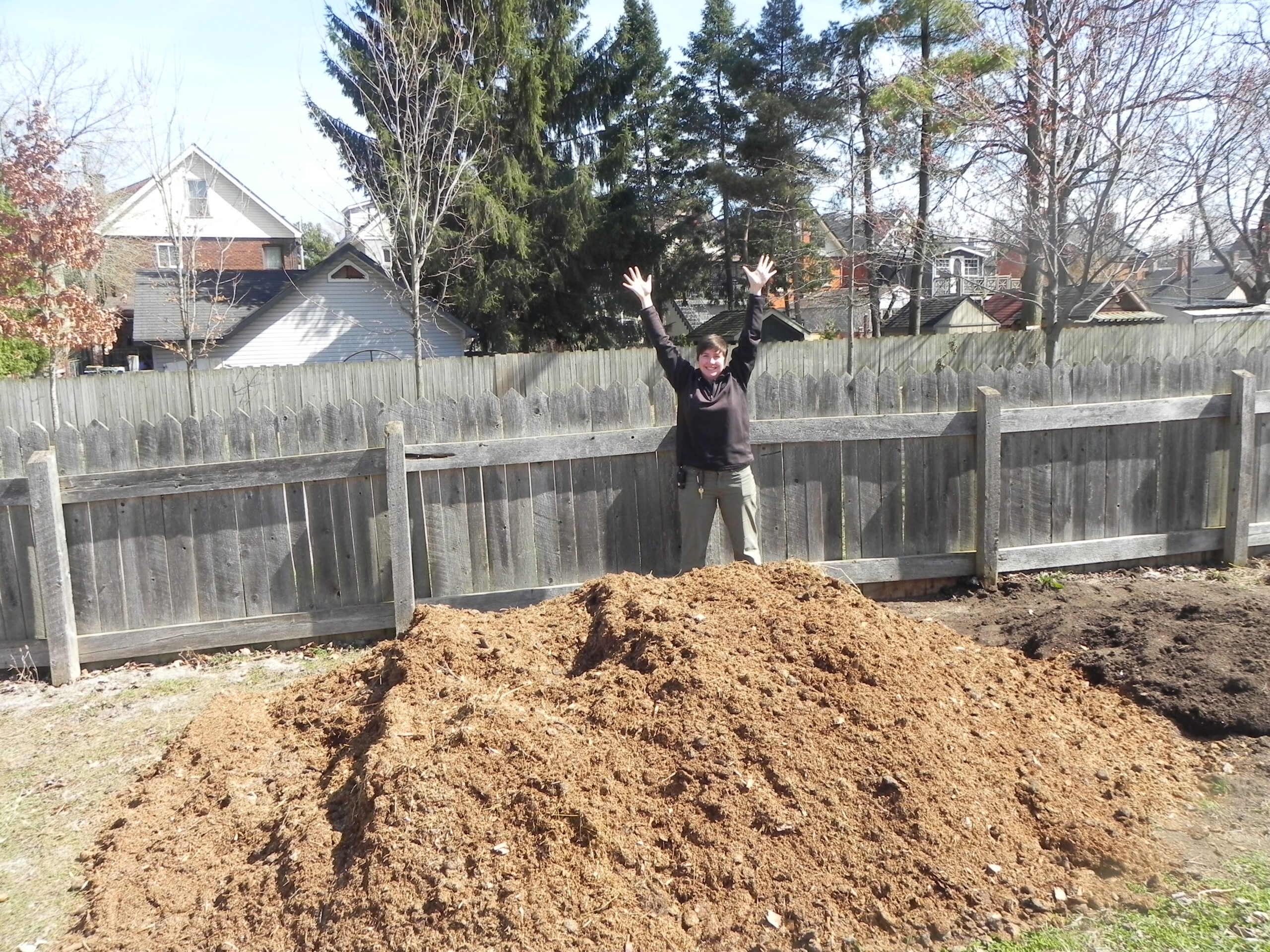
Dundurn Gardeners celebrating deliveries of manure which will be spread on garden beds to additionally amend the soil. City of Hamilton.
Drainage
Drainage is impacted by soil texture and structure. Sandy soils tend to drain best since there is more space between particles, while clay soils drain poorly. Soils rich in organic matter have additional pore space, allowing water and air to pass through. Compaction, on the other hand, can reduce pore space and lead to poor drainage. Consider the topography of your growing space. Are there low spots where water might pool? When choosing plants, you will need to keep your soil’s drainage characteristics in mind. Swamp milkweed (Asclepias incarnata), for example, thrives in moist, clay soil, while common milkweed (Asclepias syriaca) prefers well-draining sandy loams.
Sun Exposure
The Historic Kitchen Garden is essentially an open field, so most of the beds receive full sun exposure. However, there are some areas, particularly around the perimeter, where nearby trees cast shade onto the garden beds. In these areas, the gardeners plant crops that can tolerate partial shade.
Microclimates
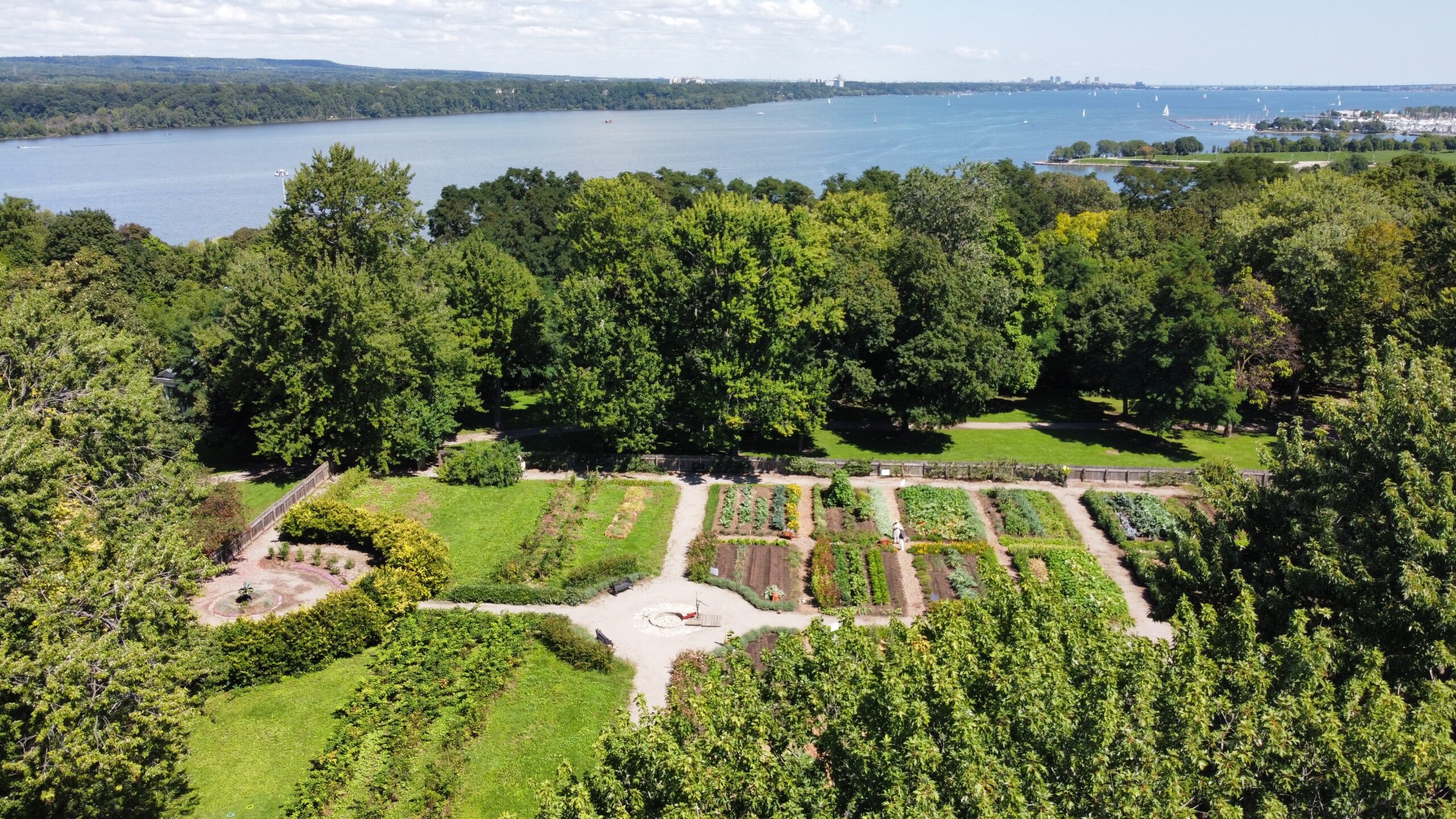
Despite the many trees around the garden, it is a full-sun space. City of Hamilton.
Choose the Right Plants
As you begin looking at seed catalogues and plant nurseries, think back to your vision. Are you prioritizing crops with high yields or flowers with showy blooms? How quickly are you hoping to see results? Can you realistically maintain your chosen plants? Be sure to avoid non-native plants that grow aggressively, such as English ivy (Hedera helix), periwinkle (Vinca minor), and Rose of Sharon (Hibiscus syriacus).
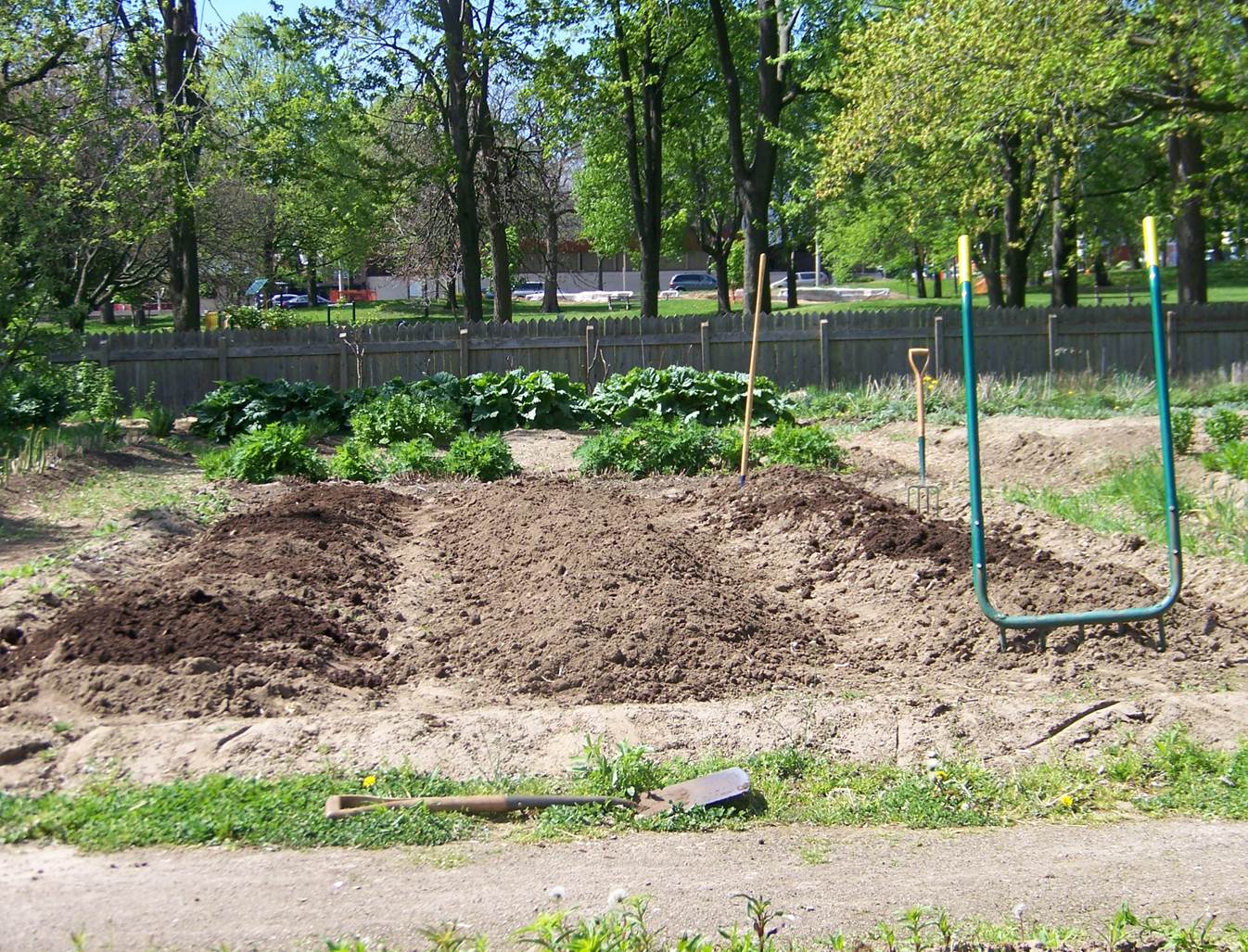
Spring soil preparation in Dundurn's Historic Kitchen Garden. City of Hamilton.
Prepare Your Growing Space
Once you have chosen your plants, you will need to prepare your growing space. Generally, it is recommended to wait until after the last frost date in your area. If you are growing in containers, ensure you select the right soil mix or soilless media for your plants. If you have a garden bed, you will need to till the soil, or if you prefer, use a low-till or no-till method such as broad forking or sheet mulching. The gardeners at Dundurn use winter cover crops and a broad fork to supress/remove weeds and improve soil structure. Next, incorporate any desired amendments into your soil. Aged manure and mushroom compost are commonly used in the Historic Kitchen Garden. If you are unsure of what to amendments to add, this resource provides an excellent overview.
If you are direct seeding, you will need to create a fine seedbed. To achieve this, use a bow rake to break up any big lumps (clods) of soil. Once the soil surface is smooth and free of debris, you are ready to plant your seeds. If you are transplanting seedlings, you can skip this step and simply use a trowel to dig holes that are deep enough for the roots to extend fully downwards. Avoid burying the seedlings’ first leaves (cotyledons), as this can lead to rot and disease. Overcast days or early mornings are ideal for transplanting, as direct sunlight can cause heat stress. The soil around your seeds and seedlings should be kept consistently moist, not wet, so be sure to check on them daily.
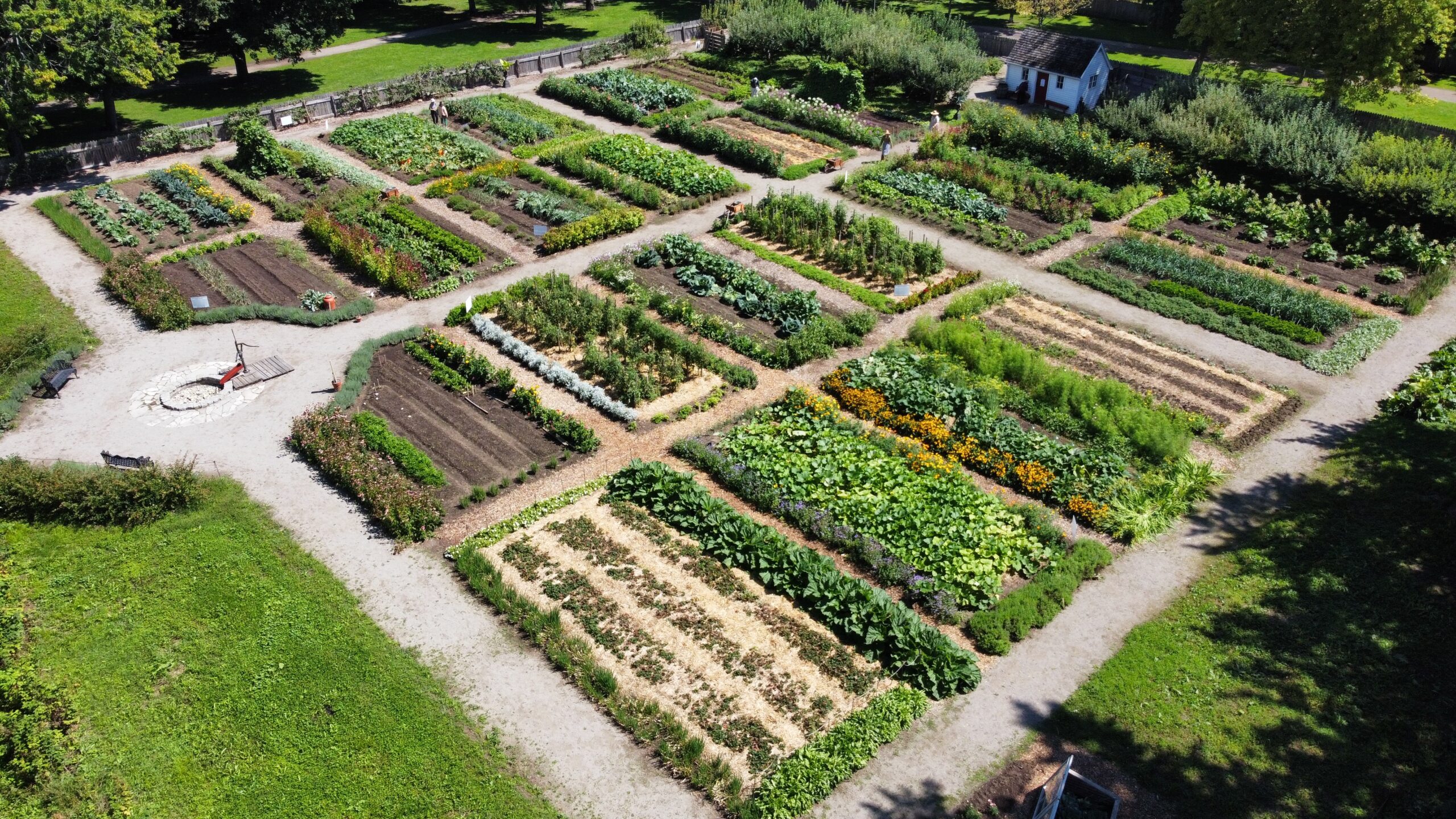
The Historic Kitchen Garden in summer. City of Hamilton.
A Final Word of Advice
Remember that research and preparation are only part of a building a successful garden. Making mistakes and learning through trial-and-error are also vital. Looking for more gardening tips and inspiration? Visit the Historic Kitchen Garden every Tuesday-Sunday, 12 PM – 4 PM and keep an eye on the Hamilton Civic Museums events page for self-guided tours and immersive workshops. The garden opens on May 16th, 2026, and the gardeners would be thrilled to answer your questions.