Hidden Hamilton Military History: Whitehern at War
At Whitehern Historic House and Garden, military history is not the focus of the tour, even though that history is very popular with the public. However, the McQuesten family – former residents of the house – had “hidden” connections to Hamilton military history – and military history from further away - taking place between 1812 and 1967, even if those stories are not often told.
On the Waves of Lake on Ontario: Thomas Baker in the War of 1812
During the War of 1812, midshipman Thomas Baker served aboard the Royal Navy’s HMS Antelope before joining the crew of the HMS St. Lawrence – the largest British warship on Great Lakes during the conflict. He survived the war, becoming grandfather and namesake of Hon. Thomas McQuesten, Ontario’s former Minister of Highways and Whitehern resident. Baker also lived at Whitehern in his final years; the McQuestens honoured his service with many decorations that celebrate Royal Navy heritage. You can learn more about the War of 1812 at the Hamilton Military Museum!
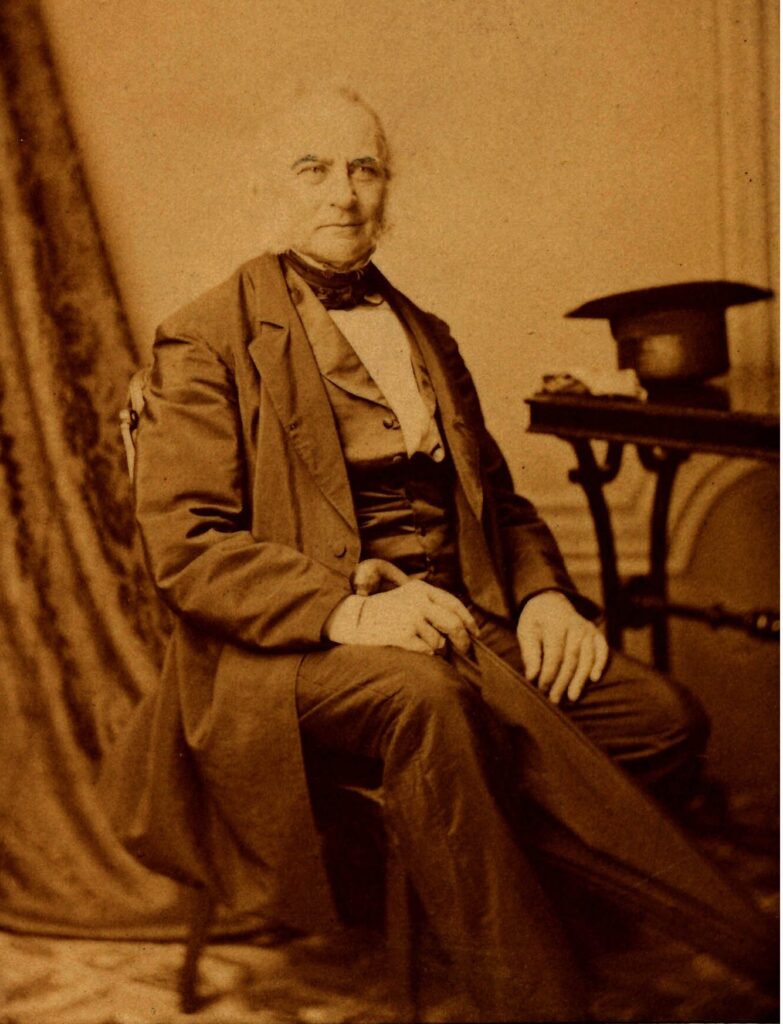
Reverend Thomas Baker served in the war of 1812. City of Hamilton.
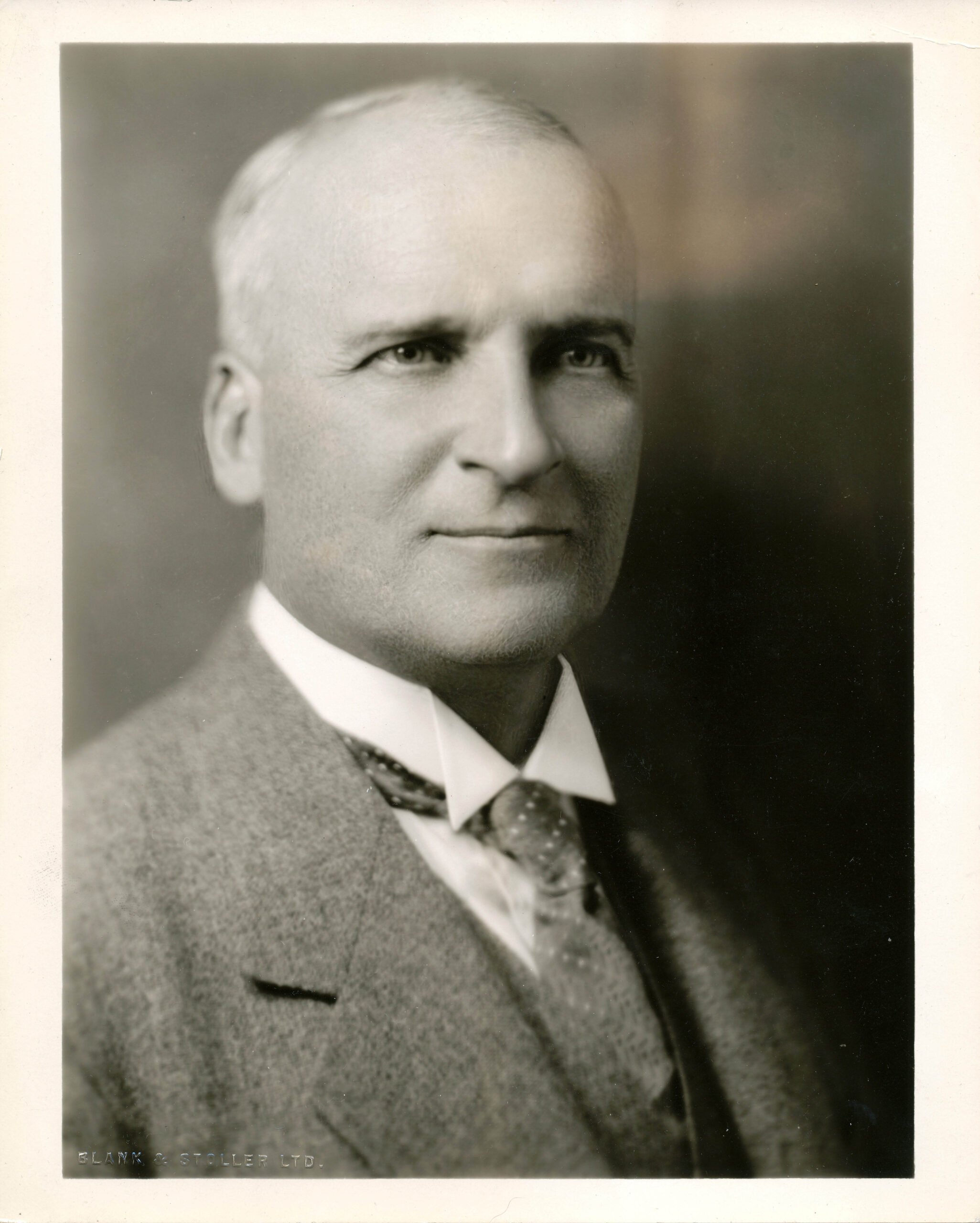
Hon. Thomas Baker McQuesten, grandson of Thomas Baker. City of Hamilton.
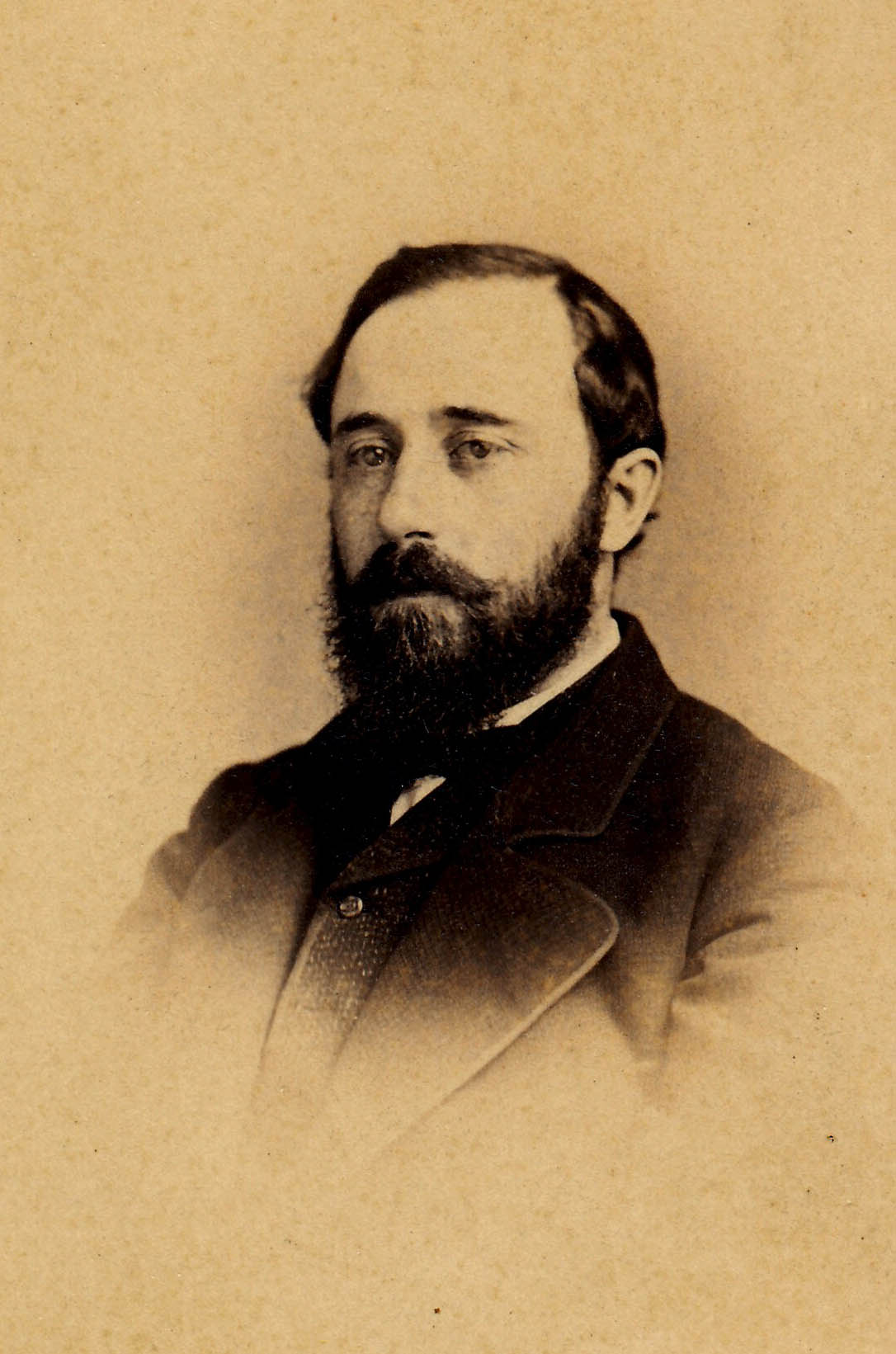
Dr Calvin Brooks McQuesten was the son from Dr. Calvin McQuesten's first marriage, the uncle of Thomas Baker McQuesten. City of Hamilton.
Fractured Bones of a Fractured Nation: Calvin Brooks McQuesten's Medical Service in the
U. S. Civil War
Dr. Calvin Brooks McQuesten, of the 2nd generation, moved to the United States to study medicine.[1] While there, the U.S. Civil War broke out. He graduated from Dartmouth Medical College in 1864, becoming an Acting Assistant Surgeon for Union forces.[2] During the Battle of Fort Stevens near Washington, D.C., Calvin was there. In a letter, he describes wounded soldiers in his care, recalling “an order from Surg. General to report all convalescents able to defend Washington…It is the most exciting time this city ever saw...”.[3]
Similar letters describe the war’s effects on New York City, where Calvin lived. In 1863, he describes short supplies of Springfield rifles in the country;[4] and in 1865, he describes reactions to President Lincoln’s assassination and the final Union victory.[5][6] Calvin survived the war, lived a long life, and returned to Hamilton shortly before his death in 1912.
Protecting the Frontier: Isaac's Service During the Fenian Raids
To the Veldt: The McQuestens' Support for the 2nd Boer War
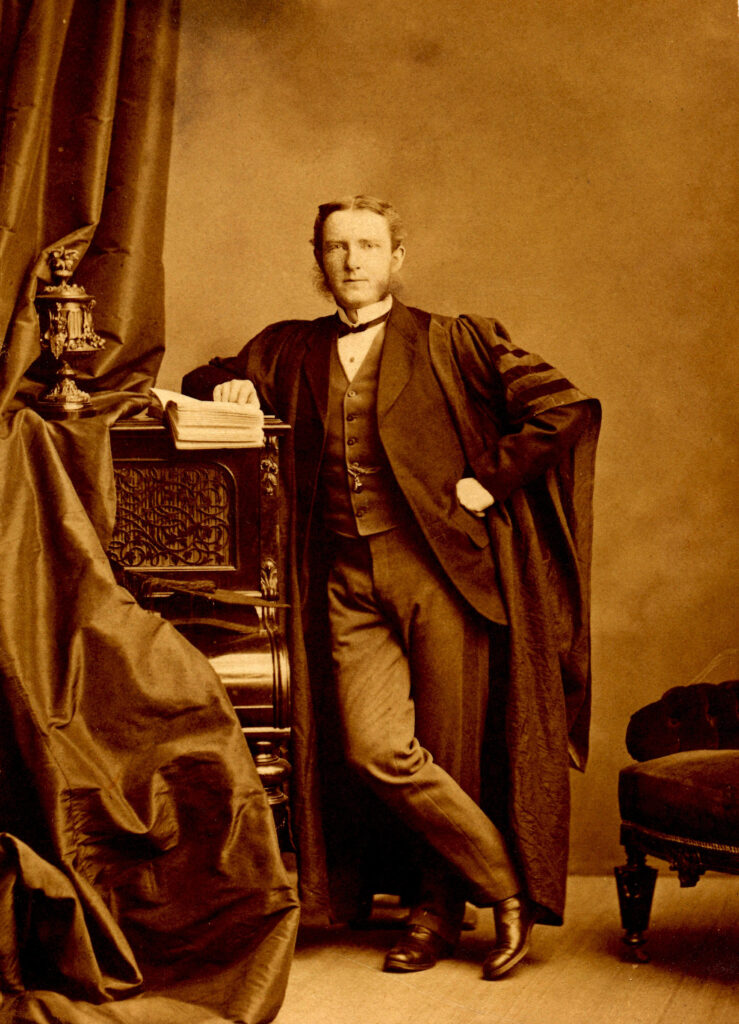
Isaac Baldwin was the younger son of Dr Calvin McQuesten, and the father of Thomas Baker McQuesten. City of Hamilton.
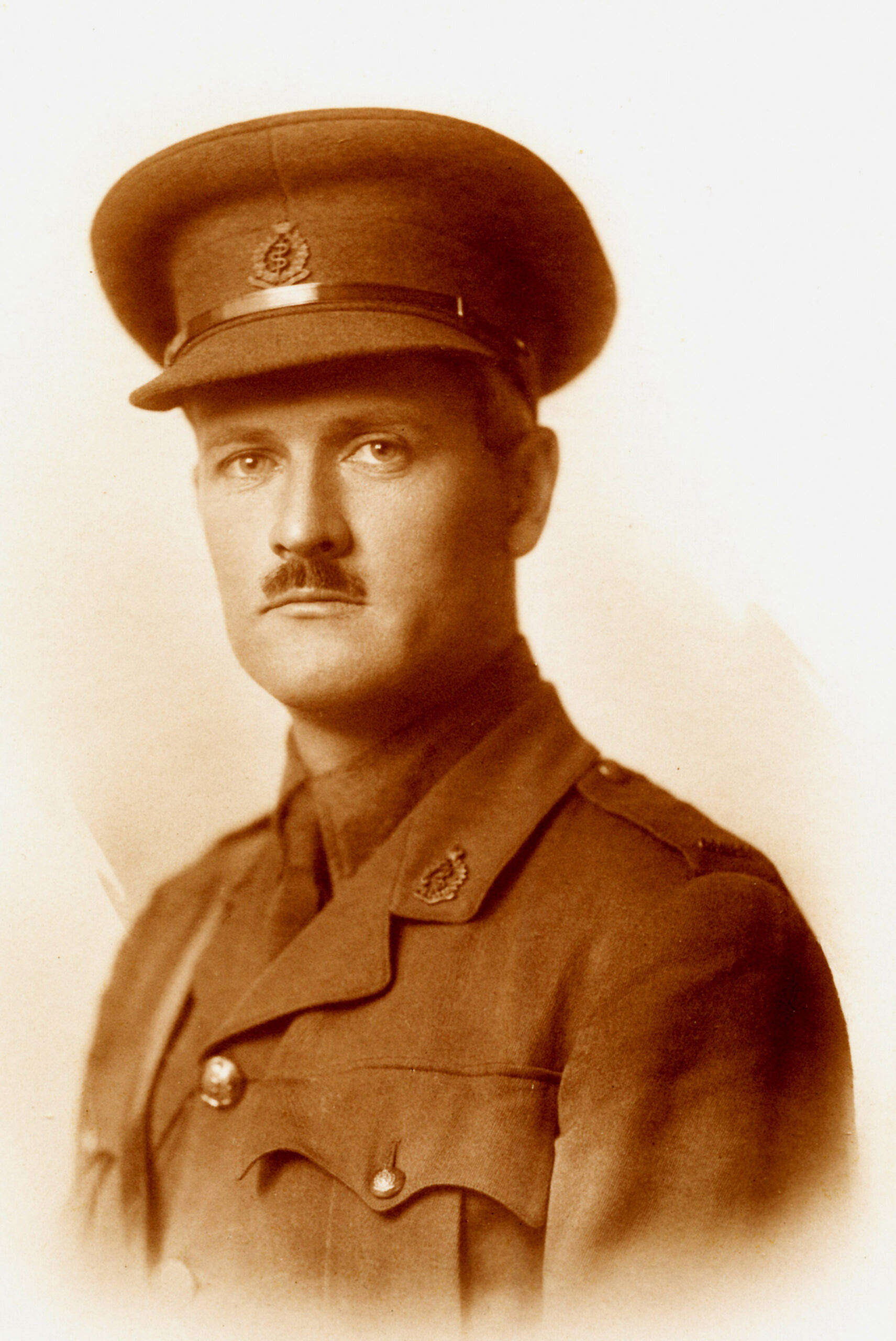
A photo from the McQuesten's collection, suspected to be Dr. Norman Leslie. City of Hamilton.
Letters from the Mud and Blood of Europe: the McQuesten's Friends in the First World War
The youngest generation of McQuestens were old enough to serve in the First World War, and Reverend Calvin did try to join the Canadian Expeditionary Force as a chaplain,[12] but they were fortunate to avoid this.[13] Many family friends served, though.
Dr. Norman Leslie – pictured over Whitehern’s master bedroom fireplace[14] – was Tom’s friend who “joined up” on September 22, 1914,[15] serving as a medical officer,[16] and eventually reaching the rank of acting Lt. Colonel.[16] Leslie’s letters to Tom describe daily life, such as having roast beef in London while on the way to France.[18] Leslie also notes the dark side of his work, describing “hellish” wounds.[19] Fortunately, he survived the war, remaining friends with Tom for life.
Many other McQuesten acquaintances who served were named in a letter by Reverend Calvin, where he prays for their safety.[20] Not all of these men are listed below, but some faced the following fates:
- Oswald Hicks was wounded in 1916 after being transferred from Canadian to British forces; British personnel files were destroyed during the Second World War, leaving his fate unknown.[21]
- Alexander Cornett survived, receiving the Order of the British Empire in 1919.[22]
- Gourlay Colquhoun was captured by Germans, awarded the Military Cross while imprisoned, and survived.[23]
- Will Carey was likely killed in action on September 30, 1916,[24] at the Battle of Thiepval Ridge.
- George Welsford witnessed Zeppelin raids dying in action on November 14, 1915.[25]
- Ed Jeffrey caught pneumonia, but survived.[26]
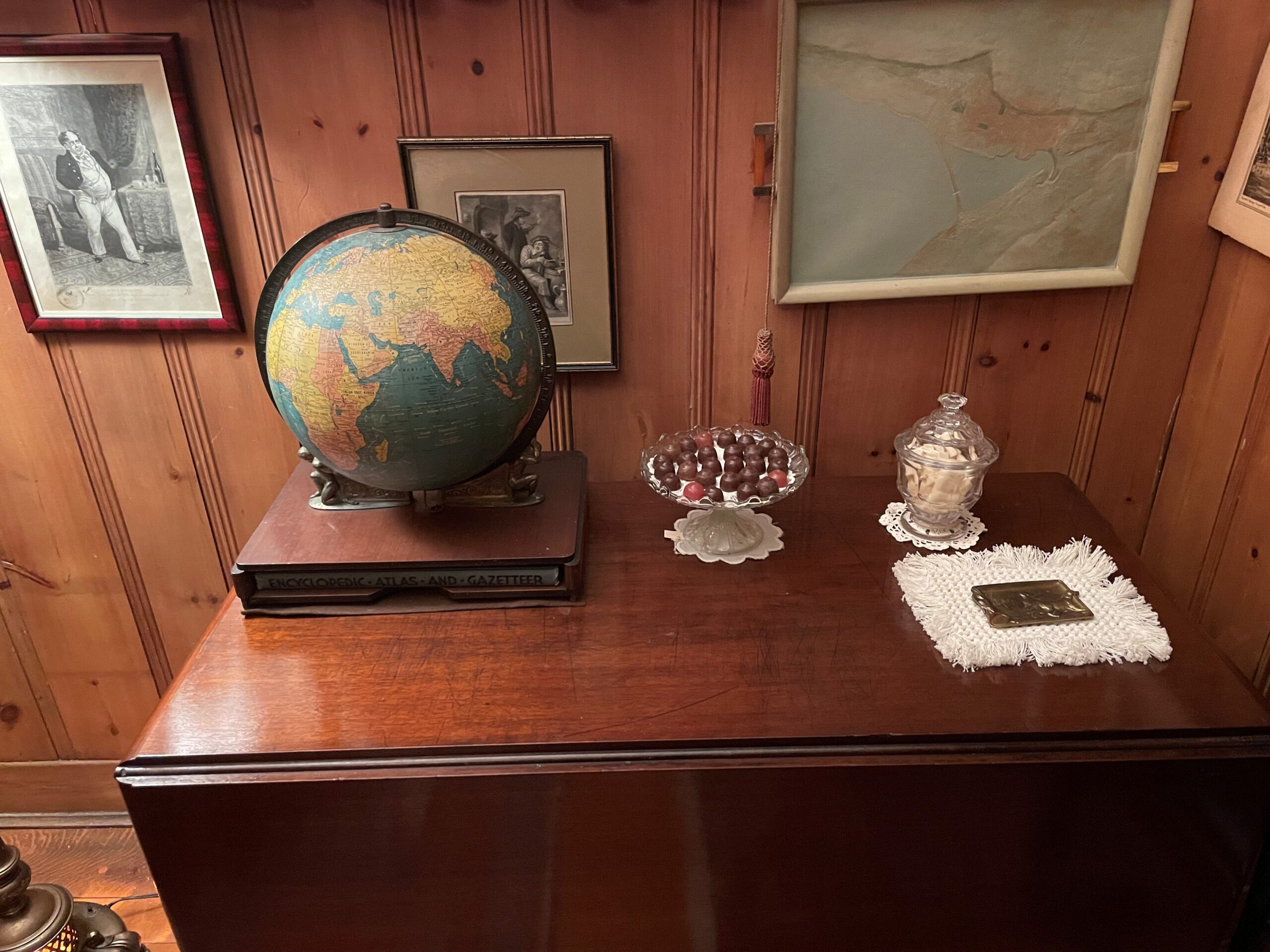
A side table in Whitehern's basement lounge. City of Hamilton.
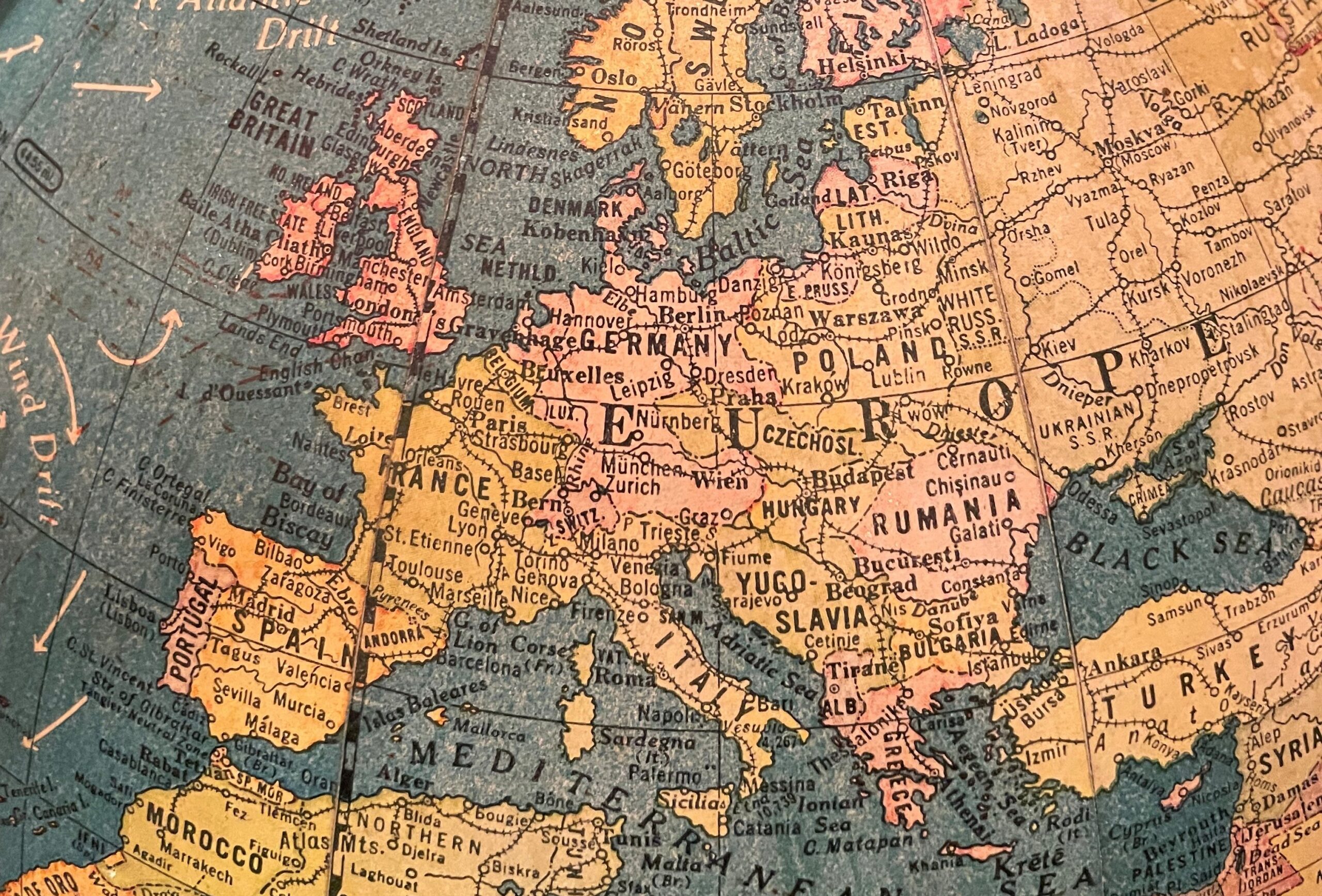
A close up of the globe in Whitehern's basement lounge. City of Hamilton.
A Lightning War in Europe: The Second World War
A globe at Whitehern shows the leadup to the outbreak of war on September 3rd, 1939. The Nazis invaded Austria and Czechoslovakia throughout 1938-9 - this is visible on Tom’s globe, which shows Germany in control of Austria, but not the Czechoslovak Sudetenland. This means the globe was printed between March 12 and September 30, 1938. The Nazis absorbed the rest of Czechoslovakia and moved onto Poland in 1939, causing the war’s outbreak.
Canada joined in on September 10th. An early impact on Canadians was pressure to raise money for the war effort – a popular Christmas party activity in 1939.[27] Tom promoted Victory Bonds in speeches until the war’s end.[28] More war measures were eventually introduced. For example, Tom, an overseer of the QEW’s construction, included streetlights in its design. However, stories describe those lights turning off during the war to save energy.[29][30][31] In 1942, rationing was also introduced.[32] Rev. Calvin was a travelling preacher, and Tom a politician in Toronto. Rationed gasoline made these careers difficult. The family would have been less affected by food rationing – they grew lots of fruits and vegetables themselves.[33]
Drawing the Iron Curtain: The Cold War
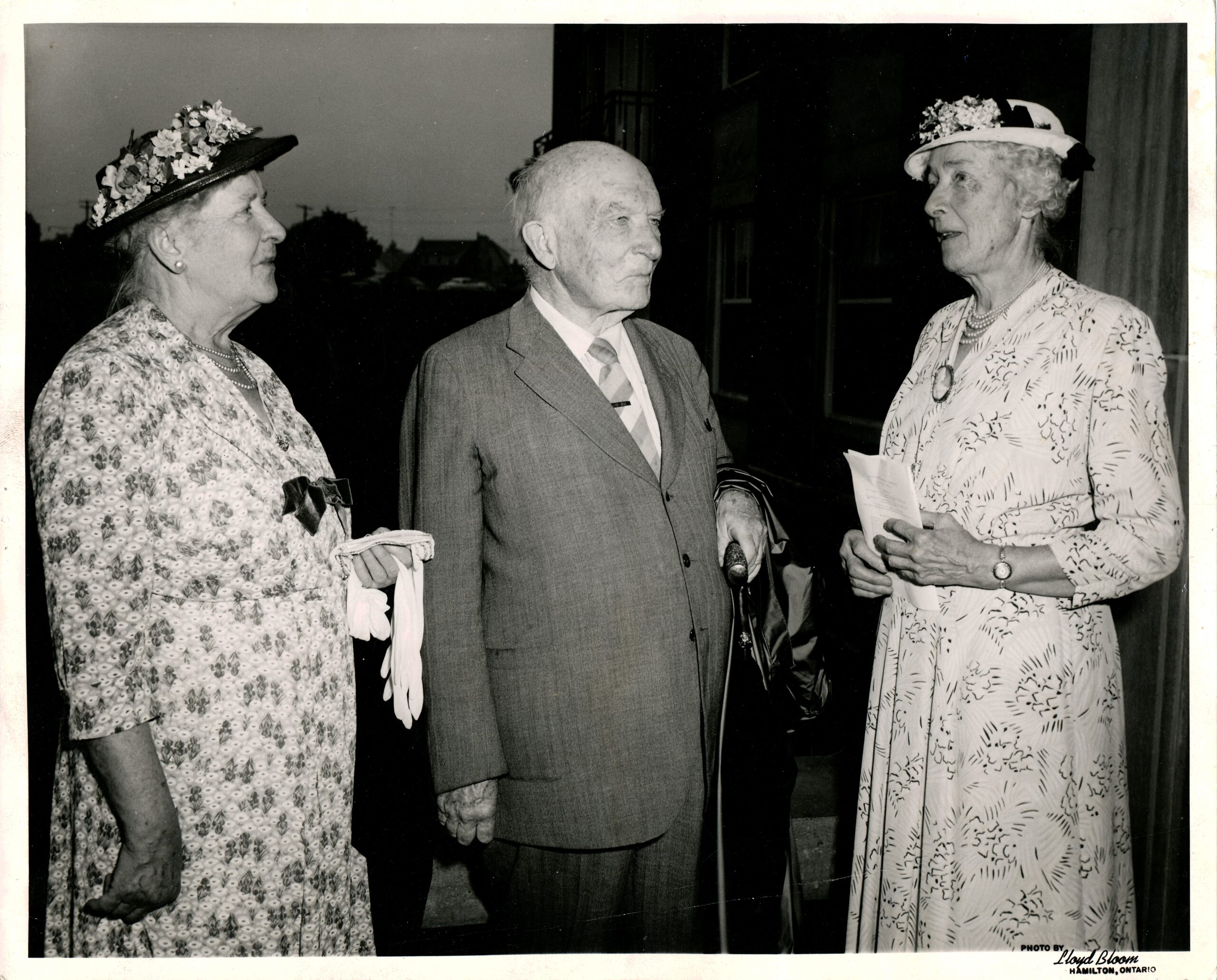
Hilda, Rev. Calvin, and Mary McQuesten at the ceremony bequeathing Whitehern to the City of Hamilton. City of Hamilton.
Most people think of Whitehern as “Victorian”, but three of its residents lived there until 1968! Mary Baldwin, Rev. Calvin, and Hilda-Belle witnessed some of the Cold War’s tensest moments from Whitehern, including the Berlin Wall’s construction and the Cuban Missile Crisis.
Many Canadians feared nuclear weapons’ use during these crises. The Soviets never published a target list, nor have Russian archives made any available. However, the Canadian government maintained a list of “more likely target areas” - Hamilton was one due to its industry.[34] Whitehern was at risk.
Homemade fallout shelters were recommended for protection.[35] It would have been difficult for the McQuestens to prepare a shelter, perhaps why they – and many others – never did. Shelters had to be built and designed at home,[36] a challenge for the 80- to 90-year-old residents. Construction was recommended in a windowless corner basement room;[37] Whitehern has no such room. Finally, it was assumed that “negligible” survival odds existed within roughly 5km of a blast, even while sheltered.[38] With Whitehern only 6km from Stelco, 9km from Dofasco, and steps from City Hall, a shelter may not be effective anyway. Where would you build a shelter in your house, according to these Cold War guidelines?
Over a Century of "Hidden" Hamilton Military History
Notes
[1] Royal Military College of Canada, “Launch of HMS St. Lawrence,” July 21, 2025, https://www.rmc-cmr.ca/en/college-commandants-office/launch-hms-st-lawrence.
[2] E.D. Reddington and W.H. Hodgkins, Military Record of the Sons of Dartmouth in the Union Army and Navy, 1861-1865 (Boston: Trustees of the College, 1907), pp. 103-104, https://upload.wikimedia.org/wikipedia/commons/6/6c/Military_record_of_the_sons_of_Dartmouth_in_the_Union_Army_and_Navy%2C_1861-1865_(IA_militaryrecordof01redi).pdf.
[3] Calvin Brooks McQuesten, “W-MCP4-6.065 TO ISAAC B. MCQUESTEN from his brother, Dr. Calvin Brooks McQuesten,” Whitehern.ca via the Internet Archive, July 10, 1864, https://web.archive.org/web/20230428035332/http://www.whitehern.ca/result.php?doc_id=W-MCP4-6.065.
[4] Calvin Brooks, McQuesten, “W-MCP1-3a.037 To Isaac Baldwin McQuesten from his brother Dr. Calvin Brooks McQuesten,” Whitehern.ca via the Internet Archive, Dec. 8, 1863, https://web.archive.org/web/20230428003611/http://www.whitehern.ca/result.php?doc_id=W-MCP1-3a.037.
[5] Calvin Brooks McQuesten, “W-MCP4-6.064 To Isaac B. McQuesten from his brother, Dr. Calvin Brooks McQuesten,” Whitehern.ca via The Internet Archive, April 17, 1865, https://web.archive.org/web/20230428035247/http://www.whitehern.ca/result.php?doc_id=W-MCP4-6.064.
[6] Calvin Brooks McQuesten, “W-MCP4-6.066 To Isaac B. McQuesten from his brother, Dr. Calvin Brooks McQuesten,” Whitehern.ca via The Internet Archive, April 17, 1865, https://web.archive.org/web/20230428035438/http://www.whitehern.ca/result.php?doc_id=W-MCP4-6.066.
[7] Hereward Senior, The Last Invasion of Canada: The Fenian Raids,1866-1870 (Toronto and Oxford, UK: Dundurn Press, 1991), pp. 11-14, https://research.ebsco.com/plink/d4f7e9b9-bd2f-3af6-8e62-f2d0c680a04e.
[8] Rev. Calvin McQuesten (uncredited), “Box 13-007 The Tatler, The Montreal Herald (Written By [Rev.] Calvin McQuesten),” Whitehern.ca via The Internet Archive, Mar 29, 1902, https://web.archive.org/web/20230427224629/http://www.whitehern.ca/result.php?doc_id=Box%2013-007.
[9] Rev. Calvin McQuesten (as Nina Vivian), “A Corner for Women Readers Conducted by Nina Vivian, the Evening News (Written By [Rev.] Calvin McQuesten),” Whitehern.ca via The Internet Archive, Jan 2, 1901, https://web.archive.org/web/20230427225937/http://www.whitehern.ca/result.php?doc_id=Box%2013-060.
[10] Desmond Morton, The Canadian General Sir William Otter, Toronto: Hakkert, 1974. Canadian War Museum historical publication
[11] Cameron Pulsifer, “For Queen and Country: Canadians and the South African War, 1899–1902,” Canadian War Museum, accessed July 8, 2026, https://www.warmuseum.ca/articles/for-queen-and-country-canadians-and-the-south-african-war-1899-1902.
[12] Maj. Daly, “W-MCP2-3b.031 To Rev. Calvin McQuesten from Major Daly,” July 24, 1916, https://web.archive.org/web/20230428011221/http:/www.whitehern.ca/result.php?doc_id=W-MCP2-3b.031.
[13] Mary McQuesten, “W6809 To Thomas Mcquesten from his mother, Mary Baker McQuesten,” Whitehern.ca via The Internet Archive, Aug. 5, 1914, https://web.archive.org/web/20230428233726/http://www.whitehern.ca/result.php?doc_id=W6809.
[14] “Dr Norman Leslie (possible),” accessed March 22, 2026, digitized photograph, City of Hamilton.
[15] Library and Archives Canada, untitled [Norman Leslie’s personnel file], Sept. 1914-c.1918, https://central.bac-lac.gc.ca/.item/?op=pdf&app=CEF&id=B5593-S059.
[16] Ibid., p. 7.
[17] Norman Leslie, “W-MCP6-1.474 To Thomas B. Mcquesten from his friend Dr. Norman V. Leslie,” Whitehern.ca via The Internet Archive, Sept. 20, 1918, https://web.archive.org/web/20230428070803/http://www.whitehern.ca/result.php?doc_id=W-MCP6-1.474.
[18] Norman Leslie, “W-MCP6-1.449 To Thomas Baker McQuesten from his friend Dr. Norman Leslie,” Whitehern.ca via The Internet Archive, Nov. 3, 1914, https://web.archive.org/web/20230428065802/http://www.whitehern.ca/result.php?doc_id=W-MCP6-1.449.
[19] Norman Leslie, “W-MCP6-1.458 To Thomas B. McQuesten from his friend Dr. Norman Leslie,” Whitehern.ca via the Internet Archive, Oct. 17, 1915, https://web.archive.org/web/20230428070147/http://www.whitehern.ca/result.php?doc_id=W-MCP6-1.458.
[20] Calvin McQuesten, “Box 14-018 Selections From The Diary Of Rev. Calvin McQuesten,” c. 1918, https://web.archive.org/web/20230427230725/http:/www.whitehern.ca/result.php?doc_id=Box%2014-018.
[21] The National Archives, “How to look for records of... British Army soldiers of the First World War,” accessed June 10, 2026, https://www.nationalarchives.gov.uk/help-with-your-research/research-guides/british-army-soldiers-of-the-first-world-war/.
[22] Library and Archives Canada, “CORNETT, ALEXANDER DOW,” c. 1916-1919, https://recherche-collection-search.bac-lac.gc.ca/eng/Home/Record?app=pffww&IdNumber=117896&ecopy=056099a/.
[23] Library and Archives Canada, “COLQUHOUN, WILLIAM GOURLAY,” c. 1915-1919, https://recherche-collection-search.bac-lac.gc.ca/eng/Home/Record?app=pffww&IdNumber=111109&ecopy=B1890-S052.
[24] Library and Archives Canada, “CAREY, WILLIAM VINCENT,” Nov. 13, 1914-c. Sept. 30, 1916, https://recherche-collection-search.bac-lac.gc.ca/eng/Home/Record?app=pffww&IdNumber=87532&ecopy=009402a.
[25] Library and Archives Canada, “WELSFORD, GEORGE LINDSAY,” Feb, 24, 1915-May 23, 1922, https://recherche-collection-search.bac-lac.gc.ca/eng/Home/Record?app=pffww&IdNumber=289039&ecopy=665405a.
[26] Library and Archives Canada, “JEFFREY, EDWARD SHAPTER,” Sept. 23, 1914-Nov. 25, 1918, https://recherche-collection-search.bac-lac.gc.ca/eng/Home/Record?app=pffww&IdNumber=486582&ecopy=417875a.
[27] “Bell Telephone Christmas Party,” The Globe and Mail, Dec. 2, 1939: p. 13, Hamilton Tourism and Culture N: Drive.
[28] Tom McQuesten, “W-MCP7-1.242 Thomas Baker McQuesten’s Victory Bonds Speech,” Whitehern.ca via The Internet Archive, Apr. 22, 1945, https://web.archive.org/web/20230428081400/http://www.whitehern.ca/result.php?doc_id=W-MCP7-1.242.
[29] Cameron Bevers, “Photographic History of Queen Elizabeth Way,” The King’s Highway.ca: The History of Ontario’s King’s Highways, accessed July 3, 2026, https://www.thekingshighway.ca/PHOTOS/QEWphotos2.htm.
[30] Hiking the GTA, “QEW’s Heritage Bridge,” accessed July 3, 2026, https://hikingthegta.com/2019/12/28/qews-heritage-bridge/.
[31] Robert M. Stamp, QEW: Canada’s First Superhighway (Erin, ON: The Boston Mills Press, 1987), 47.
[32] Canadian War Museum, “Ration Book and Meat Tokens,” accessed July 14, 2026, https://www.warmuseum.ca/wp-content/uploads/2023/08/AB21.1-Eng-RationBookandTokens.pdf.
[33] Tom McQuesten, “W9861l To Matt Broman from his associate T.B. McQuesten,” Whitehern.ca via The Internet Archive, April 3, 1938, https://web.archive.org/web/20230429022809/http://www.whitehern.ca/result.php?doc_id=W9861l.
[34] Emergency Measures Organization, Survival in Likely Target Areas (Montreal: Canadian Printing and Lithographing Co., Ltd., 1962), p. 3, https://www.publicsafety.gc.ca/lbrr/archives/ua%20929.c2%20s87%201962-eng.pdf#:~:text=In%20addition%2C%20any%20areas%20in%20Canada%20could,sidered%20as%20the%20more%20likely%20target%20areas.
[35] Emergency Measures Organization, Your Basement Fallout Shelter (Ottawa: Alger Press Limited, 1961), pp. 1-2, https://survivalschool.us/wp-content/uploads/2018/02/Your-Basement-Fallout-Shelter-Blueprint-For-Survival-No-1.pdf.
[36] Ibid., 6.
[37] Ibid., 5-6.
[38] Emergency Measures Organization 1962, p. 7.